
Views: 0 Author: Site Editor Publish Time: 2025-12-17 Origin: Site


Have you ever wondered how long thermal paper lasts? Whether it's receipts, labels, or tickets, thermal paper is essential in many industries. However, a common question is how long thermal prints last before they fade or become unreadable.
In this article, we'll explore the factors that affect the lifespan of thermal paper and offer tips on how to extend its durability. You’ll also learn why Unifon’s high-quality thermal paper is a great solution for businesses looking to maintain clear, long-lasting prints.
Thermal paper is highly sensitive to heat, which is the reason it changes color in the first place. The chemical coating on the paper reacts to the heat from a thermal printhead, creating text or images. However, exposure to heat over time can accelerate the fading of the printed information. If thermal paper is exposed to heat sources such as direct sunlight or high-temperature environments, the print quality can degrade quickly. This makes proper storage essential for ensuring that the prints remain legible for as long as possible.
In addition to heat, light—especially UV (ultraviolet) light—can also cause thermal prints to fade. Sunlight, fluorescent lights, and other high-intensity lighting can contribute to the degradation of the chemical coating, causing it to lose its color. While thermal prints are designed to be fast and efficient, they are not immune to environmental factors. Understanding the relationship between light exposure and print durability is key to maintaining the quality of thermal paper prints.
Humidity can have a detrimental effect on thermal paper. When thermal paper is exposed to moisture or high humidity levels, the paper can warp or distort, causing printed text to blur or become unreadable. Since the chemical coating reacts to heat, exposure to moisture can also prevent proper activation of the coating, resulting in uneven or faint prints. To prolong the lifespan of thermal prints, it's important to store them in a dry environment away from moisture or damp conditions.
Thermal paper is also vulnerable to damage from certain chemicals. Oils, solvents, and even household cleaning products can interfere with the print quality. For example, handling thermal paper with oily fingers or exposure to cleaning chemicals can cause the printed text to smudge or fade more rapidly. Understanding which chemicals can damage thermal paper is essential for preventing print degradation and preserving print quality over time.
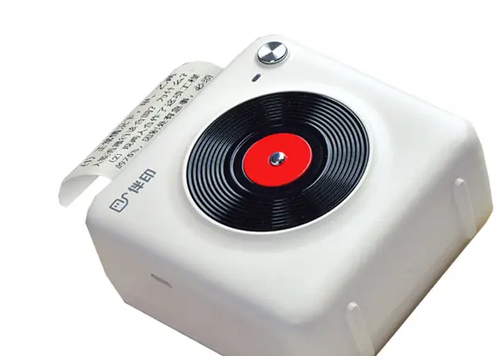
The shelf life of thermal paper before it is printed on is generally long, as it’s a dry, inert product until heated. Under ideal storage conditions, thermal paper can last up to several years without degrading. However, if thermal paper is not stored correctly—such as being exposed to high temperatures or light—the chemicals may start reacting prematurely, resulting in a decrease in quality before the paper is even used. Proper storage in a cool, dark, and dry environment can significantly extend the shelf life of thermal paper.
Once printed, the longevity of the image or text on thermal paper is influenced by several factors, including environmental conditions and the quality of the paper. Under optimal storage conditions, thermal prints can last anywhere from 7 to 25 years. However, exposure to unfavorable conditions like high heat, humidity, or light can drastically shorten this time. Therefore, it’s essential for businesses and individuals to take steps to protect thermal paper prints from environmental damage.
The durability of thermal prints largely depends on the type of thermal paper used. High-quality thermal paper, such as those made with Unifon’s premium natural wood pulp base, tends to last longer than lower-quality alternatives. In addition, the quality of the thermal printhead, the type of thermal paper, and how well the printed document is stored all affect print longevity. It is important to choose paper and printers that offer the best quality to ensure the longevity of printed content.
Factor | Impact on Lifespan | Recommendations for Preservation |
Heat Exposure | Accelerates fading of prints. | Store in cool, dry places, avoid direct heat sources. |
Light Exposure | UV light can cause the print to fade quickly. | Store in dark conditions, avoid prolonged exposure to sunlight. |
Moisture and Humidity | High humidity can warp and distort the paper. | Keep in dry environments, avoid exposure to damp areas. |
Chemical Exposure | Oils, solvents, and cleaners can damage prints. | Avoid handling with oily hands, limit exposure to cleaning products. |
Quality of Paper | Higher quality paper lasts longer. | Choose premium paper like Unifon’s to ensure long-lasting prints. |
To preserve the quality of thermal paper prints, proper storage is essential. The best way to store thermal paper is in a cool, dry, and dark environment, away from direct sunlight or heat sources. Ideally, thermal paper should be kept in protective packaging or storage containers to prevent physical damage and exposure to environmental factors. For printed thermal paper, keeping it in an archival-quality container with protection against UV light and moisture can further extend its life.
Handling thermal paper with care is crucial to maintaining its quality. When using thermal paper, avoid applying excessive pressure to prevent damaging the surface or thermal coating. Unifon’s thermal paper rolls are specifically designed with smooth surfaces that minimize friction, preventing damage to both the paper and the printhead. Additionally, avoid handling thermal paper with oily or dirty hands, as this can cause smudging or degradation of the printed content.
To protect thermal paper from environmental damage, you can consider using lamination or UV-protective covers. These methods help preserve the print quality and extend the lifespan of thermal prints. Lamination is especially beneficial for documents that need to last a long time or be exposed to frequent handling. For less frequent use, UV-protective covers or sleeves can help shield the prints from light damage.
Using archival-quality materials such as acid-free, fade-resistant pens or markers is essential for long-term record keeping. Archival-grade materials are designed to withstand environmental degradation and help ensure that your handwritten notes on thermal paper remain legible for years to come. These materials, coupled with high-quality thermal paper like Unifon’s, will provide the best protection against fading and wear over time.
Laminating thermal prints is one of the best ways to ensure that the content remains protected from environmental elements. Lamination provides a physical barrier against moisture, heat, and light, all of which can contribute to the fading of thermal prints. If lamination is not possible, consider using clear protective covers or plastic sleeves that shield the paper from direct exposure to damaging elements.
For documents that are critical and need to be preserved long-term, creating digital backups is highly recommended. Scanning or photocopying thermal paper can provide an additional layer of protection. This ensures that, even if the physical print fades over time, you’ll have a digital copy of the document for future reference.
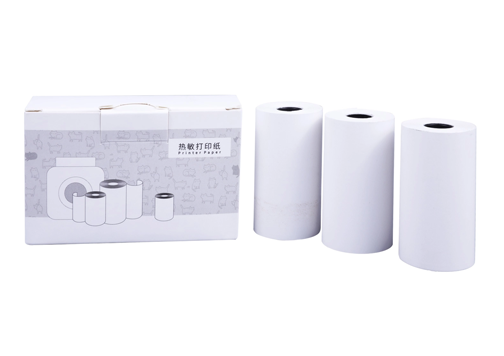
Thermal paper offers several advantages over traditional ink-based printing methods. Thermal printers are faster and more cost-effective, especially in high-volume printing environments. Thermal paper eliminates the need for ink, toner, and ribbons, making it more efficient and economical. Unifon’s high-speed thermal paper rolls ensure smooth, uninterrupted printing that meets the demands of busy retail or logistics environments.
When it comes to durability, thermal paper performs better in environments where ink can smudge or fade. While ink-based prints can be susceptible to smudging, moisture, and heat, thermal prints are more resistant to these factors. Thermal prints are also less likely to become damaged by physical wear, making them ideal for receipts and labels that need to last for a few years.
The cost of thermal paper is often more affordable than traditional ink-based printing in the long run. Since thermal paper doesn't require ink, toner, or ribbons, businesses can save on operational costs and avoid the inconvenience of constant ink cartridge replacements. Additionally, thermal printers tend to require less maintenance, which further reduces operational costs.
Many thermal papers are coated with chemicals like Bisphenol A (BPA), which can pose health risks, especially with frequent exposure to receipts and labels. As environmental concerns grow, businesses are increasingly choosing BPA-free thermal paper to help reduce these risks. Unifon provides BPA-free thermal paper rolls, offering a safer and more sustainable alternative for businesses. This shift helps mitigate health concerns for both consumers and employees while maintaining print quality.
Thermal paper, due to its special coating, is difficult to recycle. The chemicals used in the coating can interfere with traditional recycling processes. To mitigate this, businesses can opt for BPA-free thermal paper or even explore digital alternatives like e-receipts to reduce paper waste. Using digital receipts or paperless solutions can help reduce the environmental footprint, contributing to sustainability goals and reducing reliance on paper-based products.
Thermal paper is a cost-effective and efficient printing solution used across industries like retail, logistics, and healthcare. Its fast, clear, and ink-free printing makes it ideal for businesses worldwide. By selecting the right thermal paper and following best practices, you can ensure durability.
Unifon provides high-quality thermal paper that offers long-lasting clarity and eco-friendly solutions, helping businesses maintain reliable and efficient printing.
A: Thermal paper can last several years under proper storage conditions, but it can fade quickly if exposed to light, heat, or moisture.
A: Store thermal paper in a cool, dry place, away from direct sunlight and heat sources to maximize its shelf life.
A: Thermal paper fades due to exposure to environmental factors such as UV light, heat, moisture, and certain chemicals.
A: Yes, with proper storage and handling, thermal prints can last for 7-25 years, depending on the conditions.


