
Views: 0 Author: Site Editor Publish Time: 2026-04-13 Origin: Site


A receipt may look clear on the day it is printed, yet months later the text can become pale, patchy, or difficult to read. That is why Receipt Paper deserves more attention than many buyers expect. Thermal receipts do not fade by chance. Their lifespan depends on the heat-sensitive coating, the surrounding environment, and the quality of the paper itself. For both businesses and consumers, understanding these factors helps prevent record loss and improves daily document management. At ShenZhen United Foison Technology CO, LTD., we have focused on paper products production and export since 2008, and our experience shows that proper storage and reliable paper quality are both essential for longer-lasting thermal receipts.
Thermal receipts are printed through heat rather than ink. A thermal printer activates the coating on the paper surface, creating text and images quickly and cleanly. This is one of the main reasons thermal paper is widely used in retail, hospitality, logistics, and many service industries.
At the same time, this printing method creates a natural weakness. Because the image is formed through heat, the coated layer stays sensitive after printing. Extra heat from storage conditions can continue affecting the surface, causing darkening, yellowing, or loss of contrast. A receipt left in a parked car, near kitchen equipment, or beside a sunny window may fade far sooner than expected.
This is why fading is not random. The image on thermal paper depends on the stability of the coating after printing. When the coating formula is more stable and the paper is produced with better control, the printed result usually remains readable for a longer time.
Time alone is not the main reason receipts fade. Light and humidity are major causes of image loss. Strong light, especially direct sunlight, can gradually reduce the clarity of printed information. A receipt placed near a window or under constant bright light often fades faster than one stored in a closed file.
Humidity creates a different problem. Moisture in the air affects both the coating and the paper base. In damp conditions, receipts may curl, stick, soften, or lose image definition more quickly. Frequent changes between dry and humid environments can also weaken the paper over time.
These factors often work together. A dashboard combines light and heat. A kitchen can bring warmth, steam, and oil. A storage area may be dark but too humid. That is why fading should be seen as both a paper issue and a storage issue.
Many people believe all thermal receipts fade too quickly, but storage mistakes are often the real reason. A receipt kept in a wallet is folded, rubbed against cards, and exposed to body heat. A receipt left on a car dashboard may face extreme heat in a short time. Kitchen drawers seem convenient, yet steam, warmth, and grease make them a poor storage place.
Plastic bags are also not ideal. When receipts are mixed with other items, moisture and friction increase surface damage. In business settings, loose storage in cash drawers, counters, or crowded back offices creates the same problem. These habits shorten the useful life of the printed image and often make thermal paper seem less reliable than it actually is.
Receipts do not only fade because of sunlight or temperature. Daily handling also causes damage. Skin oils, hand creams, food residue, and cleaning chemicals can affect the heat-sensitive surface. A receipt carried in a pocket or pressed against personal items may deteriorate faster than expected.
Friction is another overlooked factor. When receipts slide against other papers or rough surfaces, the coating can wear down. Barcodes, totals, and small text are especially vulnerable. Pressure also matters. A tightly packed stack of documents or a heavy object placed on top of receipts may leave marks or uneven darkening.
These everyday forms of damage make thermal receipts more fragile than ordinary paper records. Good storage means not only choosing the right place, but also protecting the surface from contact and abrasion.
Storage Condition | Effect on Receipt Paper | Risk Level | Better Alternative |
Wallet or pocket | Bending, friction, body heat | High | Flat document sleeve |
Car dashboard | Strong heat and light exposure | Very high | Cool indoor file box |
Kitchen drawer | Warmth, steam, and oils | High | Dry office cabinet |
Plastic bag | Friction and trapped moisture | Medium to high | Paper folder or sleeve |
Damp storage room | Moisture affects coating and shape | High | Dry, stable shelf |
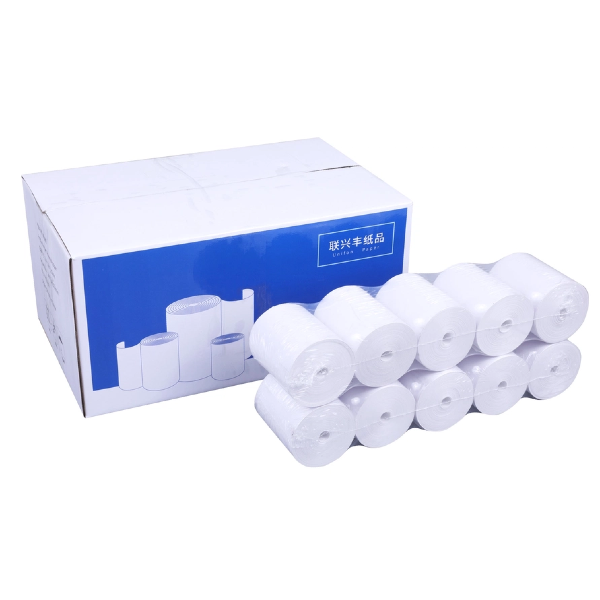
The best storage rule for thermal receipts is simple: keep them cool, dark, and dry. Lower temperatures reduce unwanted reactions on the coated surface. Darkness helps protect the image from light exposure. Dry conditions reduce moisture damage and help the paper remain stable.
For businesses, this usually means storing receipts in closed cabinets or organized file boxes away from windows, heaters, kitchens, and warehouse machinery. For home users, it means avoiding cars, bathrooms, and sunny desks. Stable indoor storage is far better than locations with frequent changes in temperature or humidity.
Consistency also matters. A receipt repeatedly moved between hot and cool or humid and dry environments is placed under extra stress. Good preservation depends on routine, not just short-term protection.
Even in a suitable room, receipts can still be damaged if they are stored loosely. Protective organization helps reduce abrasion, contamination, and repeated handling. Clear sleeves, paper folders, envelopes, and document boxes all provide better protection than leaving receipts mixed with unrelated papers.
Flat storage is often best. The less a receipt is folded or compressed, the better its printed image will hold. Organized filing also makes retrieval easier, which reduces the need for repeated touching and searching through piles. In practical terms, preservation improves when the receipt is easy to store and easy to find.
Thermal receipts can be preserved, but they should not be treated as permanent records under all conditions. If a receipt is important for tax filing, reimbursement, warranty support, or accounting purposes, a digital copy is a smart part of the process.
Scanning or photographing receipts soon after printing helps protect the information before fading begins. This is especially useful for businesses handling large numbers of transactions. Digital backup also reduces repeated contact with the original paper and makes future retrieval easier.
The most practical approach combines both methods: proper physical storage and digital preservation. That is not an emergency fix. It is simply better receipt management.
Storage is only part of the answer. Two receipts kept in similar conditions may still age differently because the paper itself is different. The coating formula, the smoothness of the base paper, the pulp quality, and the consistency of production all affect how long the printed image remains readable.
A better coating delivers sharp printing while staying more stable after use. A stronger base paper helps resist curling, roughness, and surface weakness during storage. That is why paper quality matters not only on the day of printing, but throughout the full life of the receipt.
Well-made thermal paper can offer longer image life under proper storage conditions, often within a range of two to ten years depending on grade and environment. At ShenZhen United Foison Technology CO, LTD., we understand that customers need more than basic printability. They want thermal receipts that print clearly, handle daily use, and preserve information more reliably. With years of experience in thermal paper, offset paper, carbonless paper, and adhesive labels, we continue to focus on stable production and dependable paper performance for global customers.
Thermal receipts do not have to fade quickly when they are stored and handled correctly. Heat, light, humidity, oils, friction, and pressure all affect readability, but the right storage habits and better paper quality can greatly improve preservation. Businesses that care about record clarity should treat receipt storage as part of normal document management, not as an afterthought. At ShenZhen United Foison Technology CO, LTD., we believe reliable printing starts with responsible manufacturing and practical use, which is why dependable thermal receipt paper plays such an important role in everyday business operations. If you are looking for receipt rolls designed for clear printing and longer preservation, contact us to discuss your requirements.
Thermal receipts use a heat-sensitive coating instead of ink. That coating makes printing fast and clean, but it also means the surface reacts more easily to heat, light, humidity, and friction over time.
The best method is to keep receipt paper in a cool, dark, and dry place, ideally inside sleeves, folders, or document boxes that reduce contact and surface damage.
Yes. Higher-quality receipt paper usually has a more stable coating and better base paper, which helps the printed image remain clearer for a longer period under proper storage.
Yes. Proper storage helps preserve the original, but digital backup adds security and makes receipts easier to retrieve for accounting, warranty, tax, or customer service purposes.


