


Have you ever wondered how receipts are printed without ink? Thermal paper is the solution. Unlike regular paper, it uses heat to create images or text. This innovation is crucial in industries like retail and logistics, where efficiency and cost-effectiveness are key.
In this article, we’ll explore what thermal paper is, how it works, and why it’s used. You’ll also learn about its advantages, disadvantages, and how companies like Unifon provide high-quality thermal paper products that help businesses improve operational efficiency.
Thermal paper is unique in that it requires no ink. The printing process works by using heat, which activates a chemical coating on the paper. This coating contains heat-sensitive dyes that react when exposed to the heat from a printer head. As the paper passes over the heated printhead, the dye changes color, creating the text or image.
Thermal paper is made up of several layers. The base layer consists of regular paper, which is coated with a pre-coat layer to enhance smoothness and ensure a uniform print. The thermal coat, which contains leuco dyes and developers, reacts to heat and creates the printed image. Some types of thermal paper also have a protective topcoat to reduce fading and damage caused by exposure to light, oils, and moisture.
Layer Type | Description |
Base Layer | Regular paper that provides structure |
Pre-coat Layer | Enhances smoothness and ensures uniform printing |
Thermal Coating | Contains heat-sensitive dyes that react to heat |
Protective Coating | Reduces fading, oil, and moisture damage |
In thermal printing, the heat from the printer head is directly transferred to the paper. The heat activates the chemicals in the thermal layer, causing them to turn black, red, or blue depending on the paper’s formulation. This heat-based printing method eliminates the need for ink ribbons or toner cartridges, making it a more cost-effective solution for many businesses.
Regular paper simply serves as a substrate for ink or toner, which adheres to the surface to form an image. In contrast, thermal paper’s chemical coating enables it to produce an image when exposed to heat. The heat-sensitive chemicals in thermal paper, such as leuco dyes, are responsible for this color change.
Thermal paper is particularly sensitive to environmental factors like heat, light, and moisture. Exposure to high temperatures or direct sunlight can cause the print to fade, while moisture can make the printed text or images illegible. As a result, thermal paper must be stored properly in a controlled environment to preserve its print quality.
Tips: To protect the printed text and ensure the longevity of thermal paper, consider using high-quality thermal rolls with a smooth surface and durable protective coatings. These types of paper are less likely to fade or become damaged due to exposure to environmental factors like heat or moisture.
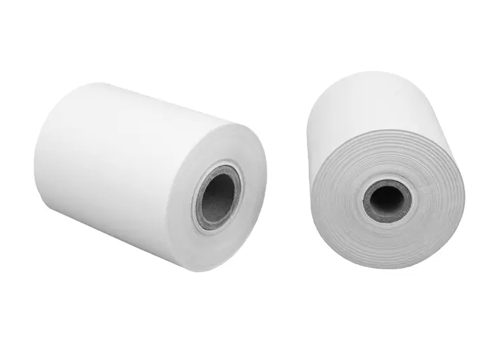
One of the most common uses of thermal paper is for printing receipts in retail environments. Thermal printers are fast, efficient, and easy to maintain, making them ideal for busy point-of-sale (POS) systems. Retailers prefer thermal paper for its cost-effectiveness—no ink or toner is required, and it produces high-quality, legible receipts that are easy to read.
Thermal paper is also widely used for printing labels and tickets. It is commonly used in logistics and shipping to print barcodes and shipping labels. Event organizers rely on thermal paper to print tickets for concerts, theaters, and other events. The ability to quickly print clear, durable labels and tickets makes thermal paper a versatile solution across industries.
In the healthcare industry, thermal paper is used in devices like ultrasound machines and ECG machines to print instant reports. Thermal paper’s speed and reliability make it an excellent choice for printing medical records and reports on-site. Additionally, in the logistics industry, thermal paper is used to print inventory labels and shipment tracking tags.
Thermal paper offers several advantages that make it a popular choice in various industries:
● Cost-effective: Thermal paper eliminates the need for ink or toner, reducing ongoing operational costs for businesses. This feature is especially beneficial for companies with high-volume printing needs, as it cuts down on both the cost of ink and maintenance of printers.
● Fast printing speeds: Thermal printers can produce receipts, labels, and tickets quickly, which is particularly beneficial in high-traffic environments like retail and hospitality. The fast printing speed helps businesses maintain smooth operations, especially during peak hours.
● Durability: Thermal prints are typically resistant to smudging, making them ideal for environments where receipts or labels are exposed to moisture or friction. With proper storage, thermal prints can last for several years without fading, providing long-term reliability for businesses and customers.
Tips: For a more durable printing experience, opt for high-quality thermal rolls that feature a natural wood pulp base. These papers are designed to withstand wear and tear and ensure clear, long-lasting printouts. Choosing thermal paper with a durable protective coating also extends the life of the print, reducing the need for frequent reprints.
Despite its benefits, thermal paper also has some drawbacks that should be considered:
● Fading over time: Thermal prints are susceptible to fading if exposed to excessive heat, direct sunlight, or moisture. This can cause text and images to become illegible over time, especially in environments with fluctuating temperatures or high humidity. Proper storage and handling are essential to preserve the print quality.
● Environmental concerns: Some thermal papers are coated with Bisphenol A (BPA), a chemical compound linked to health risks, particularly for people who frequently handle receipts. Newer thermal paper formulations, such as BPA-free or BPS (Bisphenol S) options, are being introduced, but there are still concerns about the environmental impact of these chemicals. Additionally, the non-recyclable nature of thermal paper can contribute to landfill waste.
● Storage issues: Thermal paper is highly sensitive to temperature and humidity. Exposure to extreme conditions can cause the paper to degrade, resulting in poor print quality or damage to the printer. Businesses that rely on thermal printing need to ensure proper storage conditions, such as keeping thermal paper in a cool, dry place, to prevent issues with fading or paper malfunction.
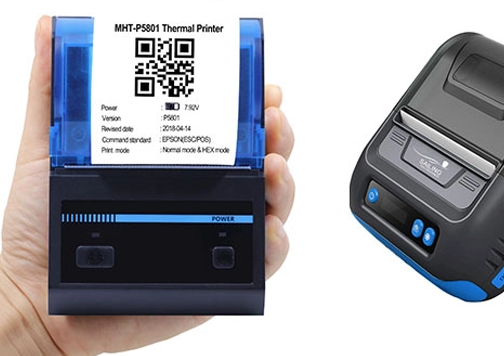
When selecting thermal paper, it's important to consider several key factors to ensure you choose the best option for your specific needs:
● Thickness: Thicker thermal paper tends to be more durable and resistant to wear and tear. It also produces higher-quality prints that are clearer and less prone to fading. However, thicker paper may reduce the number of meters on each roll, meaning more frequent roll changes. This trade-off between thickness and roll capacity should be weighed based on your business's print volume and operational needs.
● Moisture resistance: If the thermal paper will be exposed to humid or wet environments, it’s essential to choose paper with added moisture resistance. In industries like foodservice or outdoor retail, where receipts or labels may be exposed to moisture, selecting moisture-resistant thermal paper can prevent the print from smudging or becoming illegible.
● Heat resistance: In high-temperature environments, such as kitchens, warehouses, or outdoor settings, look for thermal paper that can withstand excessive heat without damaging the print. Thermal paper that is not heat-resistant may cause the printed text or image to blur or fade, which can affect the legibility of receipts or labels.
Tips: Choose thermal paper with an environmentally friendly core material. Not only does this contribute to sustainability by reducing waste, but it also ensures better printing performance with less risk of paper jams or print head wear. An environmentally conscious core material can also lead to fewer disruptions and a smoother printing experience.
Thermal papers can vary significantly based on their chemical formulations, thickness, and protective coatings. Some types are designed to work in high-speed printing systems, while others are more suited for slower printing applications. Depending on the demands of your business, selecting the right type of thermal paper can make a big difference in performance.
● BPA-free thermal paper: This type of paper is increasingly preferred due to health and environmental concerns. BPA-free options reduce the risks associated with handling receipts and are more suitable for businesses seeking to minimize environmental impact.
● High-speed thermal paper: Designed for environments with high printing demands, such as large retail chains or event ticketing services, high-speed thermal paper is formulated to work seamlessly with high-speed printers, ensuring fast and efficient printouts.
● Fade-resistant thermal paper: Some thermal papers come with a protective coating that increases their resistance to fading, making them ideal for receipts or labels that need to last longer without losing legibility.
When choosing thermal paper, it is crucial to match the type to your specific printing needs. Whether you require high durability, moisture resistance, or the ability to handle high-speed printing systems, the right thermal paper can enhance the efficiency and longevity of your printing processes.
Some thermal papers contain Bisphenol A (BPA) or Bisphenol S (BPS), chemicals that have been associated with health risks. These chemicals can transfer to the skin when handling receipts, and prolonged exposure may lead to higher levels in the body. Furthermore, thermal paper is not easily recyclable, and its chemical coatings can contaminate the recycling process.
To mitigate environmental concerns, businesses can explore alternatives like E-receipt systems, which eliminate the need for physical receipts altogether. Additionally, BPA-free and phenol-free thermal papers are becoming more widely available, offering a safer and more sustainable option for businesses concerned about environmental impact.
Thermal paper is a versatile and cost-effective material. It’s used in many industries for receipts, labels, and tickets. Its ability to print without ink makes it ideal for high-volume printing. However, environmental concerns and storage issues should be considered. Advances in technology offer more sustainable options.
Unifon provides high-quality thermal paper. Their products ensure clear, durable prints, helping businesses improve efficiency and reduce their environmental impact.
Tips: For businesses that rely heavily on receipt printing, using high-quality thermal paper can significantly reduce operational costs by eliminating the need for ink and improving printer efficiency.
Tips: Ensure your thermal paper is stored in a cool, dry environment to preserve its longevity and prevent fading or deterioration due to heat and humidity.
A: Thermal paper is a special type of paper that changes color when exposed to heat. It is commonly used in printing receipts, labels, and tickets, as it requires no ink or toner for printing.
A: Thermal paper uses heat to activate a chemical coating, which causes it to change color. When heated by a thermal printhead, the paper produces the image or text without needing ink.
A: Thermal paper is primarily used for printing receipts in retail environments, labels in logistics, and tickets for events. It’s also used in medical devices for quick report printing.
A: Thermal paper is preferred in POS systems because it is cost-effective, fast, and requires no ink or toner, reducing operational costs while ensuring high-quality, legible prints.


