
Views: 0 Author: Site Editor Publish Time: 2025-12-15 Origin: Site


Have you ever wondered if thermal printers really need special paper? The answer is yes, but it depends on the type of thermal printer you use. Thermal printers are highly efficient, using heat instead of ink or toner.
In this article, we’ll explore why thermal printers require specific paper, how to choose the right one, and the impact of using the wrong paper. You'll also learn how companies like Unifon ensure high-quality thermal printing by providing specialized paper solutions.
Direct thermal printers operate by applying heat directly to the thermal paper. The heat-sensitive paper reacts to the printhead’s heat, which creates text or images. Since there’s no ink, toner, or ribbon involved, direct thermal printers are more cost-effective and simpler to maintain. However, prints are prone to fading over time due to exposure to heat, light, or friction. These printers are best used for short-term applications like receipts and shipping labels. For high-quality and smooth printing, using thermal paper rolls with a high-quality natural wood pulp base is recommended. These rolls ensure bright white and smooth prints, with a uniform distribution of thermosensitive coating for long-lasting preservation.
Thermal transfer printers use a ribbon to transfer ink onto paper. The printhead heats the ribbon, causing the ink to transfer to the paper. Unlike direct thermal paper, thermal transfer paper is not heat-sensitive. This type of printing produces long-lasting, durable prints, making it ideal for applications requiring high durability, such as warehouse or product labels.
The main difference between the two types lies in the paper. Direct thermal printers require special heat-sensitive paper, while thermal transfer printers use regular label stock along with a ribbon to produce prints. Understanding these differences is essential for using the right paper to ensure the best print quality and printer longevity.
Thermal Printer Type | Paper Type Required | Ideal Use Case | Cost Efficiency |
Direct Thermal Printer | Heat-sensitive paper | Short-term applications like receipts and labels | Lower operational cost (no ink or ribbons) |
Thermal Transfer Printer | Regular paper with ribbons | Long-lasting labels and barcodes | Higher operational cost (requires ribbons) |
Thermal printers require special paper because regular paper simply won’t produce a clear, readable image. Direct thermal paper is specially coated with heat-sensitive chemicals that react when exposed to the printer’s heat. This reaction results in sharp, clear prints. Without this special coating, the paper wouldn’t react to heat, leaving it blank or uneven. High-quality thermal paper rolls, particularly those with a neat cut surface and precision cutting, ensure a smooth printing process and help avoid issues like paper jams. This attention to detail ensures consistent, high-quality output, even under high-volume printing conditions.
Additionally, the use of quality thermal paper helps ensure uniform distribution of the thermosensitive coating, which is crucial for producing sharp and lasting prints. Poor-quality paper can cause uneven prints, smudging, and fading, resulting in additional costs from reprints and potential customer dissatisfaction.
Using the wrong type of paper can cause significant issues in thermal printers. It can lead to paper jams, wasted paper, and, in some cases, long-term damage to the printer. For example, using thermal transfer paper in a direct thermal printer will lead to blank outputs, as this paper doesn’t have a heat-sensitive coating. On the other hand, using direct thermal paper in a thermal transfer printer will waste the ribbon and reduce the quality of the print.
Furthermore, the compatibility of the paper with the printer is crucial to prevent damage. Thermal paper with the right tightness and smooth surface is designed to minimize friction, preventing damage to the printhead and other printer components. Using paper that’s too thick or too thin can increase friction and cause wear on the printer, which could lead to expensive repairs or replacements over time. High-quality thermal paper ensures that your printer performs optimally, extending its lifespan and maintaining its efficiency.
Choosing the right thermal paper not only enhances print quality but also offers substantial cost savings for businesses. Thermal printers don’t require ink or toner, but using the right paper ensures that the prints are fast, clear, and consistent. Using quality paper minimizes paper jams, reduces wear and tear on the printer, and decreases the need for constant maintenance, all of which reduce downtime and operational costs.
In addition to reducing operational costs, using thermal paper with environmentally friendly core materials helps support sustainability efforts. Eco-friendly paper reduces the environmental impact, as it’s made with recyclable or sustainable materials that are better for both the planet and the business’s environmental goals. This combination of cost efficiency and eco-consciousness makes high-quality thermal paper a smart choice for businesses aiming to reduce their carbon footprint while ensuring reliable, high-performance printing.
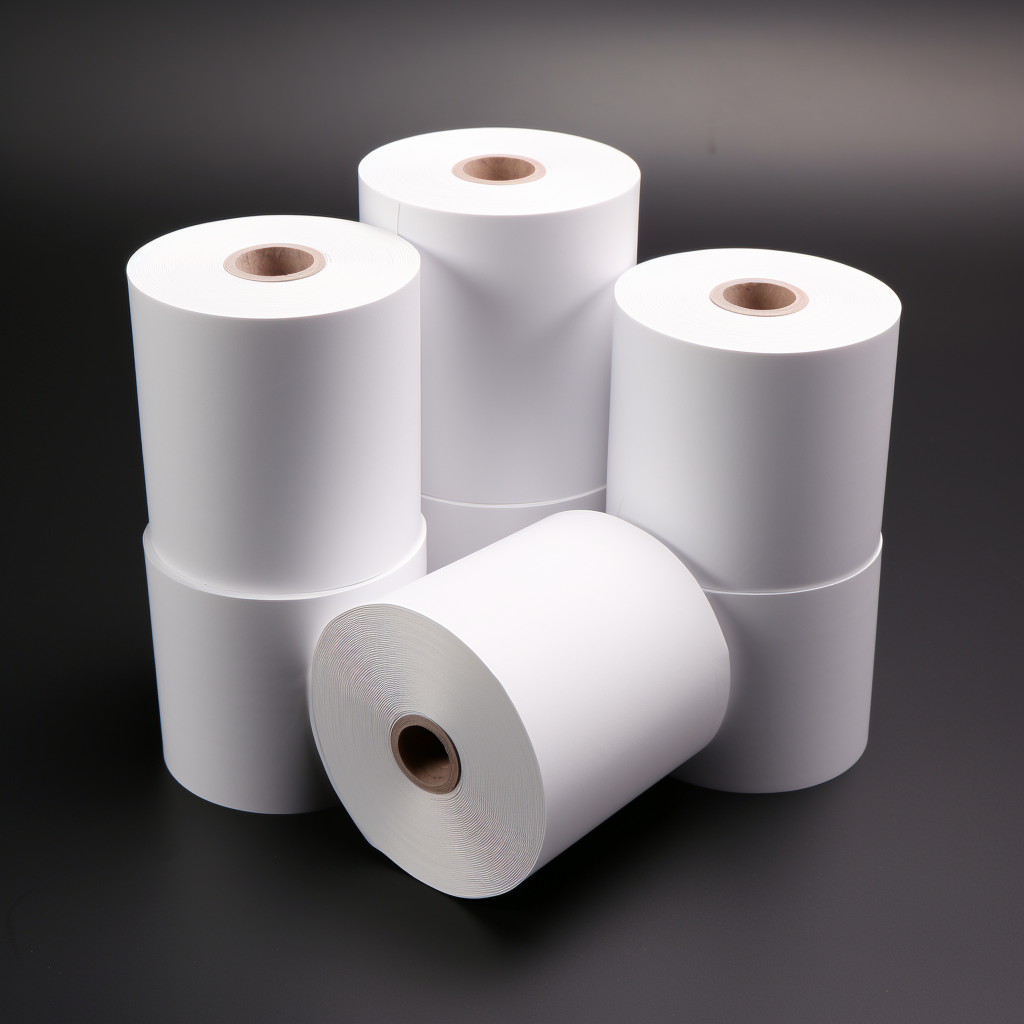
The first step in selecting the right thermal paper is to identify your printer type. Understanding whether you have a direct thermal or thermal transfer printer is crucial, as each requires a different type of paper. Check the printer model or user manual for this information.
If your printer has a ribbon spindle, it’s most likely a thermal transfer printer, which uses a ribbon to transfer ink onto the paper. These printers can handle a wider variety of paper types. On the other hand, direct thermal printers do not require ribbons, as they use heat-sensitive paper that reacts directly to heat from the printhead. These are often more compact and are typically used for short-term applications like receipts or shipping labels.
Choosing the right paper starts with identifying your printer type to ensure compatibility and optimal performance.
Thermal paper comes in various thicknesses, and selecting the right one depends on your specific printing needs. Thicker paper is more durable, providing better resistance to wear and tear, but it may reduce the amount of paper on each roll. If your application involves printing labels or tickets that will be exposed to handling, moisture, or sunlight, you may want to consider thicker paper for improved durability.
Some thermal papers also feature moisture- and heat-resistant properties. This makes them ideal for use in environments where exposure to high humidity, temperature fluctuations, or outdoor conditions is common. For example, using thermal paper rolls with a tin foil protective layer provides waterproof, moisture-proof, and scratch-proof qualities. These features are particularly useful in industries like logistics, healthcare, or any outdoor or industrial setting where exposure to moisture or extreme conditions can damage regular paper.
Ensuring that the paper size matches your printer’s specifications is essential. Thermal paper is commonly used for receipts, labels, and tickets, and each of these applications may require different sizes. Standard paper sizes include 80mm, 57mm, and custom sizes based on the printer and application.
When considering your paper size, also think about the application. If you need to print durable, long-lasting labels, thermal transfer paper is often the better choice. It’s more durable and can withstand exposure to moisture, sunlight, and abrasion, which is necessary for applications in logistics, manufacturing, and healthcare. On the other hand, direct thermal paper is suitable for short-term applications like receipts, where longevity isn’t a primary concern.
By choosing the correct paper size and type, you can ensure that your thermal printer works efficiently and produces high-quality prints that suit your specific needs.
Many thermal papers are coated with Bisphenol A (BPA), a chemical linked to health risks, especially for individuals who frequently handle receipts. Businesses concerned about the health impact of BPA can now find BPA-free thermal paper options.
There is a growing demand for eco-friendly thermal paper, which eliminates BPA and phenol-based chemicals. These alternatives are not only better for human health but also contribute to a more sustainable environment. Companies looking for more sustainable solutions can opt for BPA-free thermal paper rolls, which provide the same high-quality printing while reducing harmful environmental impacts.
Thermal paper is difficult to recycle because of its chemical coating. This makes it unsuitable for traditional paper recycling processes. As such, businesses should consider switching to more sustainable alternatives or offering digital receipts to reduce waste.
Using the correct thermal paper eliminates the need for expensive ink or toner, which can significantly reduce operational costs in high-volume printing environments. Additionally, the right paper minimizes the risk of printer damage, helping businesses avoid costly repairs and downtime. High-quality thermal paper rolls with fine workmanship ensure smooth, clear prints, which helps in reducing maintenance costs over time.
Choosing the right paper for your thermal printer ensures that the prints remain sharp and legible for a long time. High-quality thermal paper, especially BPA-free options, provides durability even when exposed to heat and light.
Using eco-friendly thermal paper reduces the environmental impact of thermal printing. By choosing BPA-free or phenol-free options, businesses contribute to sustainability while still benefiting from the fast, efficient printing that thermal printers provide.
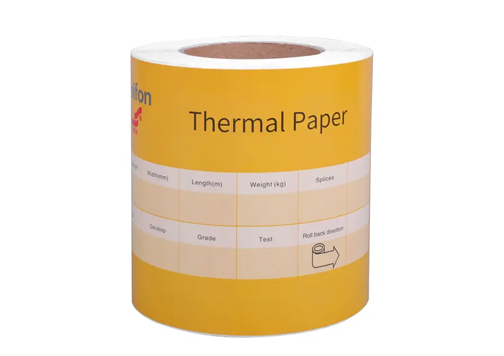
Not all thermal papers are created equal. Using the wrong paper for your printer type can cause poor print quality, paper jams, and unnecessary wear. Be sure to check your printer specifications before purchasing thermal paper.
Thermal paper is sensitive to environmental conditions like temperature and humidity. Make sure to choose paper that is suitable for the specific conditions in which it will be used.
Not all thermal paper is high quality. Low-quality paper may lead to poor prints, faster fading, and more frequent printer issues. Always opt for high-quality thermal paper from reputable suppliers to ensure reliable performance.
Thermal printers do indeed require special paper, and using the right type is crucial for achieving the best print quality, reducing costs, and ensuring the longevity of your printer. Whether you have a direct thermal or thermal transfer printer, selecting the correct paper will ensure clear, durable prints and prevent unnecessary damage to your printer. Businesses should prioritize high-quality, eco-friendly thermal paper to maximize efficiency and reduce environmental impact. By understanding the differences between paper types and considering factors such as thickness, resistance, and application, you can make the right choice for your thermal printing needs.
Unifon offers high-quality thermal paper that meets the demands of various industries, ensuring clear and durable prints while minimizing environmental impact. Their eco-friendly solutions help businesses reduce costs and improve operational efficiency.
A: Yes, thermal printers require special paper. Direct thermal printers need heat-sensitive paper, while thermal transfer printers need paper compatible with ribbons.
A: Thermal transfer printers use regular paper that works with ink ribbons. The paper must be compatible with the type of ribbon used for the best print quality.
A: Thermal paper has a special heat-sensitive coating that reacts when exposed to heat, whereas regular paper needs ink or toner to print.
A: No, using regular paper in thermal printers will result in poor prints, as it won't react to the heat from the printhead.


