
Views: 0 Author: Site Editor Publish Time: 2026-05-22 Origin: Site


Many healthcare procurement teams view consumable supplies as simple commodities. They often buy them in bulk based on price alone. Yet, selecting the precise ultrasound thermal paper represents a critical operational decision. This choice directly impacts diagnostic clarity. It affects equipment lifespan and facility compliance heavily. Suboptimal supplies introduce serious hidden risks into everyday clinical workflows. Poor quality coatings cause premature print head failure. Rapid image degradation threatens the integrity of long-term patient records. This creates significant liabilities for healthcare providers. Our guide establishes a clear, evidence-based framework to help you navigate these challenges. You will discover practical methods for evaluating supply sources. We show how to test materials safely. You can source highly reliable products for high-volume environments confidently. We will explore crucial technical specifications. We also cover printer compatibility rules and archival storage best practices.
Print resolution directly impacts diagnostic utility; specifications must align with the sensitivity requirements of the specific medical imaging application.
Mismatching thermal paper with OEM printer specifications (e.g., Sony, Mitsubishi) accelerates hardware wear and risks voiding warranties.
Image permanence is a compliance issue; diagnostic paper must meet strict archival standards to satisfy medical record retention laws.
Evaluating aftermarket alternatives requires controlled pilot testing to verify coating consistency and minimize chemical residue on print heads.
Diagnostic accuracy relies heavily on clear image rendering. Doctors need sharp contrast to differentiate tissue densities. The thermal coating's reaction threshold defines grayscale depth. It dictates contrast levels and fine-detail rendering in medical imaging. A low-quality coating struggles to render subtle anatomical differences. This failure compromises diagnostic utility during critical patient reviews. High-grade coatings react precisely to minimal heat variations. They produce rich blacks and crisp whites.
Thermal printers use heated pins to trigger chemical reactions. These reactions create the visible image on the page. Inconsistent coatings force printers to work harder. They require higher energy levels to achieve standard darkness. This excessive heat stresses internal circuits. It degrades the print head rapidly. Clean cuts during manufacturing also matter. Dusty roll edges deposit debris into the printer gears. Debris causes paper jams and misalignment issues. Facility managers must recognize these mechanical risks. You cannot treat clinical print media as standard office supplies.
Hardware longevity presents another critical operational concern. You must consider the physical interaction between print heads and paper surfaces. Poorly manufactured rolls shed chemical dust during printing. This dust accumulates on sensitive printer components. Surface friction also accelerates physical wear. Rough paper glides poorly through internal feed mechanisms. It acts like fine sandpaper against expensive thermal elements. You risk frequent equipment downtime if you ignore surface smoothness. Premature print head failure disrupts clinic schedules severely. We recommend prioritizing low-friction materials. They protect your hardware investments effectively.
Clinical workflow efficiency relies on dependable supplies. Technicians lose valuable diagnostic time wrestling jammed machines. Inferior paper curls tightly upon exiting the printer. Staff members struggle to lay curled sheets flat. This curling complicates physical file management immensely. Doctors grow frustrated trying to read warped scan results. High-quality media features specialized anti-curling base layers. They emerge from the machine perfectly flat. They remain flat during doctor hand-offs. You improve staff satisfaction significantly by eliminating these minor frustrations. Consistent quality prevents unnecessary reprint requests. Reprinting wastes paper and slows down patient turnaround times. High-volume clinics feel these delays acutely. Optimizing your supply chain eliminates these hidden operational bottlenecks.
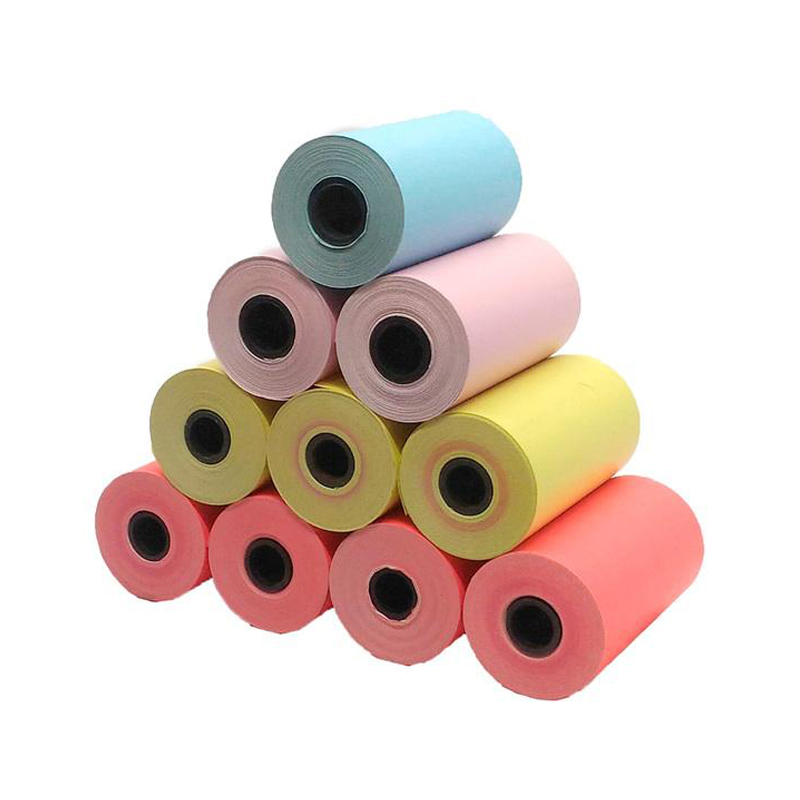
Coating formulations determine the final output quality. Manufacturers engineer different finishes for specific clinical applications. You must match the finish to your diagnostic needs.
Finish Type | Clinical Application | Visual Characteristics |
|---|---|---|
Standard (Type I) | Routine sonography | Baseline matte finish, standard contrast |
High Density (Type II) | Detailed diagnostic review | Enhanced grayscale, deeper blacks |
High Gloss (Type V) | Complex imaging (e.g., cardiology) | Water-resistant, photo-like quality |
Thickness and base weight also dictate performance. You evaluate caliper to ensure proper tear resistance. High-speed printing puts physical stress on paper rolls. Flimsy sheets tear easily during fast extraction. Technicians waste time re-threading jammed machines. Robust base layers prevent these frustrating workflow interruptions.
Thermal sensitivity remains a crucial specification. You must match the activation temperature to your specific hardware. Using the correct diagnostic paper prevents image blooming. Blooming occurs when heat spreads too far across the page. It blurs critical anatomical details. Properly matched sensitivity ensures sharp, defined pixels.
Anti-static and anti-curling properties keep operations smooth. High-throughput environments cannot tolerate constant jams. Static electricity causes unprinted layers to stick together. Curling happens when paper retains its tightly wound shape. Premium manufacturers treat their products to release flat. Flat pages stack neatly in patient files. They make handling much easier for administrative staff.
Moisture resistance plays a vital role in busy clinical settings. Accidental spills happen frequently around ultrasound stations. Wet gel occasionally transfers onto freshly printed scans. Standard paper absorbs this moisture rapidly. The water warps the base fibers and ruins the diagnostic image. High-gloss finishes combat this problem effectively. Manufacturers apply a protective topcoat over the thermal layer. This topcoat repels water droplets and gel residue. Technicians can simply wipe the surface clean. The underlying image remains pristine and fully readable. You should consider gloss finishes for environments prone to fluid exposure. They provide excellent insurance against accidental record destruction.
Best practices for technical selection include:
Reviewing your current printer energy output settings periodically.
Matching base weight to typical clinical handling conditions.
Selecting anti-static rolls for dry indoor environments.
Testing high-density finishes for complex anatomical scans.
Original Equipment Manufacturer (OEM) specifications provide a safety baseline. Sony UPP series and Mitsubishi K series define industry standards. You must align paper grades carefully. Mismatched supplies stress machine components unnecessarily. However, OEM products carry significant premium pricing. Many facilities explore aftermarket alternatives to balance operational budgets.
Evaluating third-party vendors requires a strict risk matrix. You must assess their manufacturing standards rigorously. Look for cleanroom production environments. Cleanrooms prevent microscopic debris from embedding into the ultrasound paper. Debris causes microscopic scratches on your print heads. You should demand ISO certification documents from prospective suppliers.
Cleanroom manufacturing standards differentiate premium aftermarket vendors from cheap alternatives. The production environment dictates final roll cleanliness. Dust particles settle on the coating during standard factory production. These microscopic particles embed themselves deeply into the surface. The printer head drags across these embedded particles later. It creates microscopic scratches across the heating elements. These scratches create permanent white lines on all future prints. Certified cleanrooms filter out airborne contaminants rigorously. They maintain precise humidity controls during the coating process. This controlled environment yields incredibly smooth roll surfaces. You protect your hardware by demanding cleanroom-certified supply lines.
Warranty implications often deter facilities from switching brands. Manufacturers include specific clauses regarding non-branded supplies. Using third-party media does not automatically void warranties. However, the manufacturer can deny claims if the media directly caused damage. You must document your testing process to defend against unfair denials.
Implementing a safe testing protocol protects your equipment. We recommend these exact steps before a facility-wide rollout:
Procure a small sample batch from the prospective vendor.
Clean the printer feed path and print head thoroughly.
Print a standard grayscale calibration test image.
Inspect the output for depth, contrast, and physical curling.
Examine the print head under a bright light for chemical residue.
Controlled pilot testing minimizes operational risks. You gather concrete data before committing to large orders. It empowers you to make confident procurement choices. You ensure equipment safety while optimizing your purchasing budget.
Archival stability represents a massive compliance consideration. The science of thermal fading dictates image permanence. Heat causes the initial chemical reaction. Unfortunately, environmental factors continue reacting over time. High-grade materials stabilize the dye formulation. They lock the image onto the page securely. They prevent premature fading in patient files.
Thermal dyes consist of leuco dyes and developers. When heated, they melt together to form color. If exposed to rogue chemicals, this bond breaks down. Alcohol-based hand sanitizers can smear images instantly. Technicians should ensure their hands are fully dry before handling prints. Lotion and natural skin oils also degrade sensitive layers over time.
Regulatory compliance demands reliable long-term storage. Medical records face strict legal retention requirements. Facilities must satisfy HIPAA compliance rules in the US. European clinics navigate similar GDPR considerations for patient data. You must maintain legible records for several years. Faded scans fail compliance audits instantly. They leave facilities vulnerable to legal penalties. Quality medical thermal paper guarantees legibility for five to ten years under proper conditions.
Many facilities assume digital backups render physical prints obsolete. However, physical charts remain essential during network outages. They also serve as primary evidence during legal disputes. Lawyers scrutinize physical records closely during malpractice reviews. A faded scan offers no legal defense. It suggests poor facility management and careless record-keeping. Archival permanence proves your commitment to patient care. You establish trust by maintaining perfect historical records. Premium coatings utilize specialized barrier layers. These layers block harmful atmospheric gases from reaching the dye. They lock in image crispness for over a decade. We strongly advise auditing your current storage cabinets.
Environmental vulnerabilities threaten even premium supplies. You must establish strict storage protocols. UV light degrades thermal coatings rapidly. High humidity causes background darkening. Excessive heat destroys image contrast completely. Chemical plasticizers pose the greatest hidden threat. Standard PVC chart binders leach plasticizers into stored pages. These chemicals dissolve thermal dyes aggressively. They erase vital diagnostic images within weeks.
Follow these environmental protection guidelines:
Keep unprinted rolls in original dark packaging securely.
Store boxes in climate-controlled supply rooms safely away from radiators.
File printed scans in non-PVC archival sleeves.
Avoid exposing files to direct sunlight during daily use.
Protecting your files ensures ongoing legal compliance. It respects the patient's long-term health history fundamentally.
Developing a smart procurement strategy mitigates supply chain risks. Volume purchasing often provides attractive unit discounts. However, you must balance bulk advantages against natural shelf life. Unprinted rolls undergo slow chemical degradation over time. Storing five years of supplies guarantees wasted inventory. You should calculate an optimal reorder point instead. Target a six-month supply buffer for your facility.
Supply chain redundancy protects your facility against global shortages. Relying on a single vendor invites catastrophic operational risks. You should qualify at least two reliable paper suppliers. Establish a primary vendor and a secondary backup source. This strategy ensures continuous inventory flow during shipping crises. Ensure both vendors pass your technical shortlisting matrix. You must verify their batch-to-batch consistency independently. Some vendors change their raw material suppliers without notifying customers. A roll purchased in January might perform differently in July. Ask prospective partners about their raw material sourcing stability. Request written guarantees regarding formula consistency. You secure your clinical workflow by building robust redundant supply networks.
Vendor due diligence separates reliable partners from poor ones. You evaluate suppliers based on batch consistency. Ask about their quality control tolerances. Request proof of cleanroom manufacturing standards. You need reliable ISO certifications validating their processes.
Decision-makers need a logical shortlisting framework. We recommend using a weighted matrix. It compares cost-per-roll against critical technical guarantees.
Evaluation Criterion | Importance Weight | Key Indicator |
|---|---|---|
Hardware Compatibility | 40% | Print head residue test results |
Archival Guarantees | 35% | 5+ years legibility rating minimum |
Cost-Per-Roll | 25% | Delivered price inclusive of shipping |
This matrix prevents buyers from prioritizing cheap prices exclusively. It places maximum value on equipment safety. It ensures compliance standards remain uncompromised. Always prioritize long-term reliability over immediate unit savings.
Your next steps require decisive action. Instruct your team to audit current printer fleets. Identify the exact OEM models used across all departments. You should then request sample rolls from prospective suppliers. Conduct thorough technical trials using your typical machine settings. Evaluate the resulting thermal paper output objectively. Compare the test batches against your current standard. This structured approach guarantees successful procurement updates. It eliminates guesswork from the buying process completely.
Selecting reliable print media requires balancing initial procurement costs against long-term diagnostic clarity. Your choices affect hardware reliability directly. You must prioritize compatibility over immediate unit price savings. Mismatched supplies ultimately damage expensive equipment.
Remember these actionable takeaways as you refine your purchasing strategy:
Align paper finishes strictly to your clinical application needs.
Test third-party brands rigorously before authorizing facility-wide usage.
Protect stored patient files from environmental hazards like PVC binders.
Implement a weighted evaluation matrix for all future vendor reviews.
We encourage you to initiate a comprehensive hardware audit today. Map out every printer model currently active in your facility. Request detailed specification sheets from your prospective paper suppliers. Comparing these technical documents empowers you to make safe, evidence-based procurement decisions.
A: No. Medical imaging printers require highly specific thermal sensitivities. Standard receipt rolls lack the necessary chemical layers to render detailed grayscale images accurately. Using generic rolls causes severe image blurring. It also leaves heavy chemical residue. This residue damages sensitive internal print heads quickly.
A: Standard paper provides a baseline matte finish suitable for routine sonography documentation. High-density paper contains enhanced chemical developers. These developers produce deeper blacks and sharper contrast. Doctors rely on high-density finishes for complex diagnostic reviews where subtle tissue differentiation is critical.
A: Premium medical prints last five to ten years under optimal archival conditions. However, environmental factors accelerate fading significantly. You must protect prints from UV light, high humidity, and excessive heat. Storing images in standard PVC binders destroys them within weeks due to chemical plasticizer reactions.
A: Using third-party media does not automatically void warranties. However, manufacturers can deny repair claims if they prove the specific aftermarket media caused the damage. Facilities mitigate this risk by purchasing high-quality, OEM-equivalent media. You should run pilot tests to ensure new supplies leave no damaging residue.


